
The Last Chapter - February
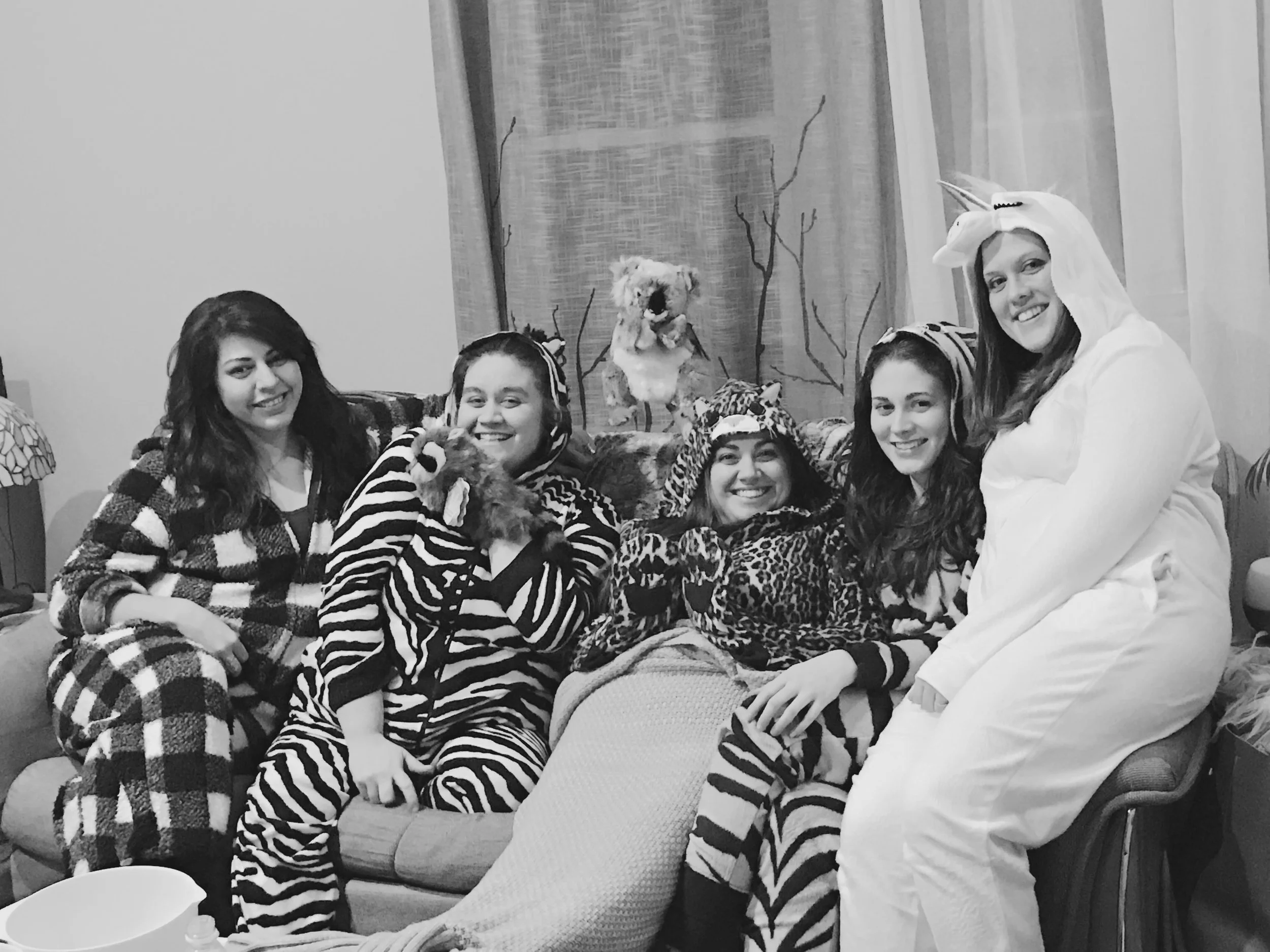
Why I Became a Death Doula: 1
Some of my most meaningful memories come from conversations about death with friends, family, and community members. Those conversations were honest, connective, and often filled with unexpected humor. Over time, they shaped how I understood presence, care, and what truly matters. In comparison, small talk began to feel hollow.
Sudden death, however, is different.
It offers no preparation and leaves no room for closure. Too often, it is followed by silence and an unspoken pressure to move on, to avoid discomfort, or to pretend nothing has changed. In that silence, grief has nowhere to go, and that can kill you.
The Last Chapter - January
You are not alone in your grief - December
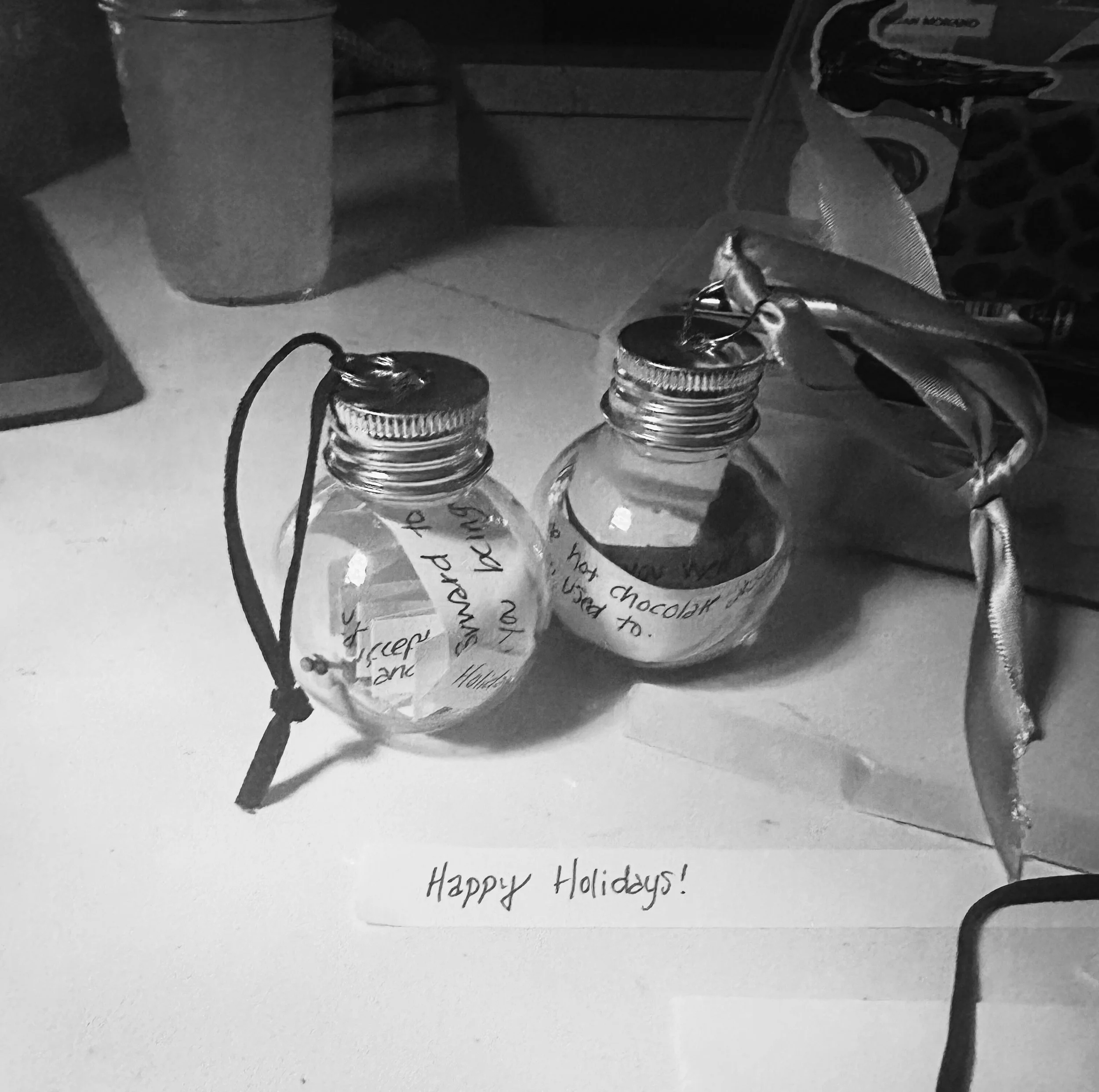
Throughout December, Until Death Doulas invited groups to participate in a gentle holiday ritual: Make a Memory Ornament. I feel that the activity aligned with the spirit of Welcome to the Grief Club and with the heart of Until Death Doulas. Creating a moment of care, creativity, and connection to honor grief - not as something to fix, but as something worthy of ritual and remembrance.
The Last Chapter - December
The Last Chapter - October
Understanding Medical Aid in Dying
The Last Chapter - July

Care Circle Planning: Support, Clarity, and Peace of Mind for Adults of Any Age

Why Medicaid and Medicare Matter in End-of-Life Planning

Palliative Care vs. Hospice - Understanding the Differences
When navigating serious illness—whether for yourself or a loved one—the terms palliative care and hospice care often come up. Though they both focus on comfort and quality of life, they aren't the same. Understanding the difference between palliative and hospice care can assist you in making informed, compassionate decisions that align with your values and goals.
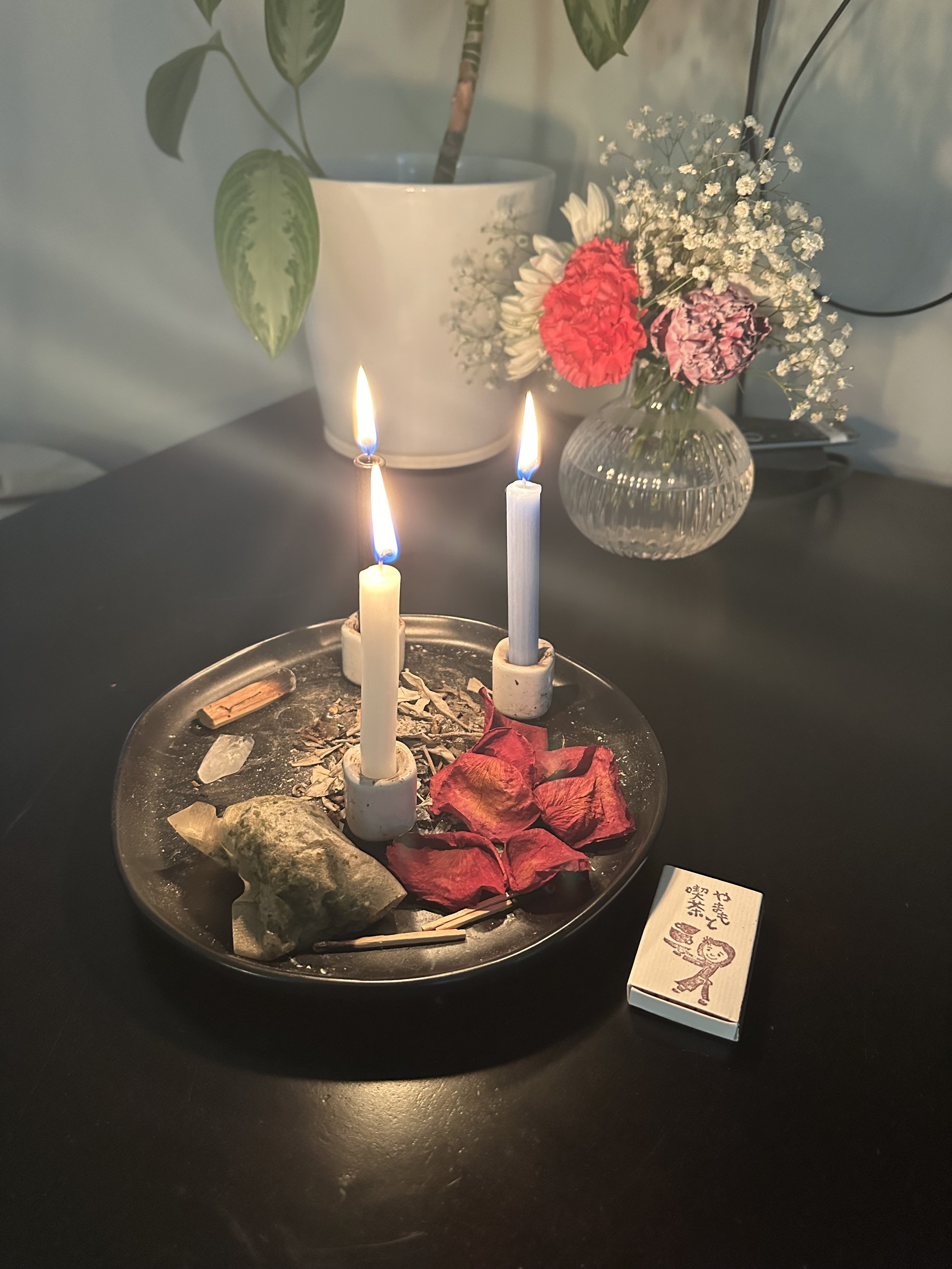
A Personal Grief Practice: The 7-Day Burial Ritual
As the founder of Until Death Doulas, I spend much of my time helping others navigate grief, death, and end-of-life transitions. Still, when an unexpected loss comes close, it's disorienting. I had just spoken at an event, introducing myself and the work I do as a death doula, and joked that I'd been "lucky" not to have experienced a personal, tragic death for a while. One day later, I was grieving.

Why More People Are Turning to Death Doulas
In recent years, more people have chosen to work with end-of-life doulas—and it's not hard to see why. As our culture slowly shifts to embrace more open, honest conversations about death, many individuals and families are seeking compassionate, personalized support through one of life's most universal (yet often overlooked) transitions.
Whether facing a terminal illness, preparing for a planned procedure, or simply wanting to make proactive choices about how they live and die, people are recognizing the value of non-medical, heart-led support in navigating the end of life.

What Is a Death Doula? Exploring the Origins and Modern Evolution of End-of-Life Doulas
As more people seek compassionate and holistic support in their final chapter, the role of the death doula (also known as an end-of-life doula) is growing in recognition and relevance. But what exactly is a death doula? Where did this work originate, and how does it appear in modern life?